Installation and Maintenance Guide for Paddle Latches
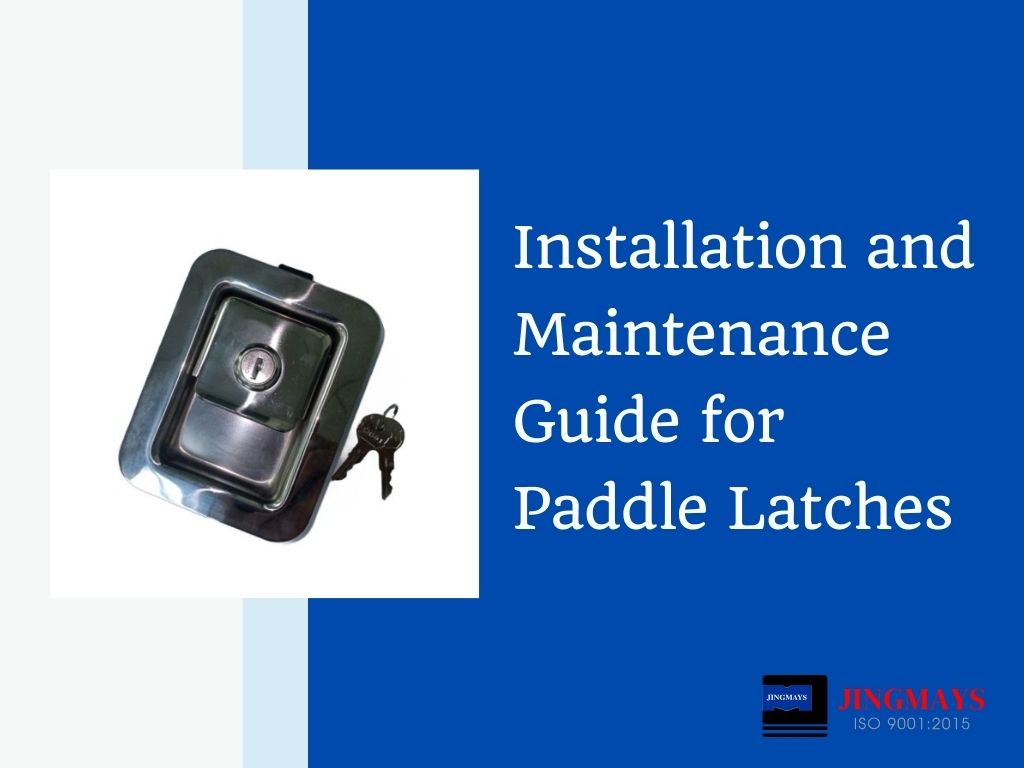
Paddle latches, also known as flush-mounted latches, are widely used in industrial enclosures, truck toolboxes, cabinets, trailers, and access panels. Their popularity comes from their sleek design, secure locking mechanism, and ability to withstand demanding environments. At Jingmays Industrial Co., Ltd., we have years of experience designing and manufacturing paddle latches for various applications, ensuring they are both reliable and user-friendly.
This guide will walk you through proper installation techniques and essential maintenance practices to maximize the performance and service life of your paddle latches.
Understanding Paddle Latches
Before diving into installation, it’s important to understand the structure of a paddle latch. A typical paddle latch consists of:
-
Handle (Paddle): The external part that allows the user to pull or push to engage the latch.
-
Housing/Case: Encases the internal mechanism and mounts flush with the surface.
-
Cam or Pawl: The rotating component that engages with the frame or striker plate to secure the door.
-
Lock Cylinder (optional): Provides additional security by preventing unauthorized access.
This design makes paddle latches suitable for both locking and non-locking applications in industrial and vehicle hardware.
Tools and Preparation
To ensure smooth installation, prepare the following tools:
-
Measuring tape or ruler
-
Marker or scribe
-
Power drill and drill bits (appropriate size for pilot holes)
-
Jigsaw or hole saw (for cutting the latch opening)
-
Screwdriver set or socket wrench
-
Safety equipment (gloves, goggles, etc.)
Additionally, confirm that you have the correct paddle latch size and style for your door or panel. Always refer to the manufacturer’s cutout dimensions and mounting instructions.
Step-by-Step Installation Guide
1. Mark the Cutout
Measure and mark the exact location where the paddle latch will be installed. Most paddle latches are installed flush, so precision is key. Use the provided cutout template or measure the latch body directly.
2. Cut the Opening
Using a jigsaw or hole saw, carefully cut along the marked lines. The opening should fit the latch housing snugly to avoid gaps or loose fitting.
3. Drill Mounting Holes
Align the latch housing with the cutout and mark the mounting holes. Drill pilot holes to match the fasteners (screws or bolts) provided with the latch.
4. Insert the Latch
Slide the paddle latch housing into the opening. Ensure that it sits flush against the surface and that the handle operates freely.
5. Attach the Cam or Pawl
Install the cam (or pawl) onto the back of the latch housing. Adjust its length and angle so it securely engages with the door frame or striker plate.
6. Secure the Latch
Fasten the latch housing to the panel using screws or bolts. Tighten evenly to prevent misalignment. Test the handle several times to confirm smooth operation.
7. Install the Lock (if applicable)
For locking paddle latches, insert the lock cylinder and secure it according to the manufacturer’s instructions. Test the key or combination function before finalizing installation.
Maintenance Best Practices
Even high-quality paddle latches require regular maintenance to ensure long-term reliability. Here are some key practices:
1. Regular Cleaning
Dust, dirt, and moisture can accumulate in the latch mechanism. Wipe the external surfaces with a damp cloth and use compressed air to clean internal areas. Avoid harsh chemicals that may corrode the finish.
2. Lubrication
Apply a light lubricant (such as silicone spray or dry graphite) to the moving parts, including the cam and handle pivot points. This prevents friction, rust, and sticking.
3. Inspect for Wear
Check the latch periodically for signs of wear or damage:
-
Loose mounting screws
-
Bent or worn cams
-
Cracks in the housing or handle
-
Rust or corrosion in exposed areas
Replace worn components promptly to prevent latch failure.
4. Check the Lock Cylinder
If your paddle latch includes a lock, ensure that the key turns smoothly. Apply a lock-specific lubricant if it feels stiff or difficult to operate.
5. Environmental Protection
In marine or outdoor environments, choose stainless steel or zinc alloy paddle latches with anti-corrosion coatings. Inspect seals and gaskets to ensure water resistance remains intact.
Common Mistakes to Avoid
-
Improper Cutouts: A poorly cut opening can cause misalignment, leading to latch malfunction.
-
Overtightening Fasteners: Excess force can deform the latch housing or strip threads.
-
Skipping Lubrication: Dry mechanisms wear out faster and may seize under load.
-
Neglecting Regular Checks: Small issues like loose screws can quickly escalate into major failures if ignored.
Jingmays Paddle Latches: Combining Strength and Reliability
At Jingmays Industrial Co., Ltd., we manufacture paddle latches from premium-grade materials such as stainless steel and zinc alloy, with polished or coated finishes for enhanced corrosion resistance. Our designs focus on durability, ease of use, and long service life. We also provide OEM/ODM customization to meet unique size, finish, and locking requirements.
By combining precise installation and routine maintenance with high-quality Jingmays hardware, you can ensure reliable operation in even the harshest industrial or transportation environments.
Conclusion
Installing a paddle latch correctly and maintaining it regularly are the keys to ensuring safety, security, and efficiency. Whether you are working on a toolbox, trailer door, or industrial enclosure, following this guide will help you achieve a professional result and extend the life of your hardware.
If you are looking for high-performance paddle latches that are built to last, contact Jingmays Industrial Co., Ltd. today. Our team is ready to provide expert guidance and reliable hardware solutions tailored to your application needs.
FAQ
Q1: Do paddle latches require professional installation?
A1: Not necessarily. With the correct tools and careful measurements, most users can install paddle latches themselves. However, professional installation ensures precise alignment and long-term performance.
Q2: How often should I lubricate a paddle latch?
A2: For regular use in standard environments, lubricating every 6–12 months is sufficient. In marine or outdoor conditions, more frequent maintenance is recommended.
Q3: Can Jingmays customize paddle latches for specific applications?
A3: Yes. We provide OEM/ODM services, offering custom materials, finishes, dimensions, and locking mechanisms to suit unique industrial or vehicle requirements.